Horny Goat Weed Explained: What Epimedium Is and How Labels List It
Horny Goat Weed is the common name for Epimedium, a leafy botanical from Asia and the Mediterranean region used in traditional herbal customs.
This guide sorts out the names you will see on a label, so the ingredient is easy to recognize.
One plant, several names
Few supplement ingredients have as many names as this one. The common name, Horny Goat Weed, is a catchy English label. The botanical name is Epimedium, a genus with dozens of species. In Chinese herbal tradition the plant is known as yin yang huo.
When a Supplement Facts panel lists "Epimedium," "Epimedium sagittatum," "Epimedium grandiflorum" or "Horny Goat Weed," it is pointing at the same family of leafy plants.
What the plant looks like
Epimedium is a low-growing perennial with heart-shaped leaves and delicate flowers. It grows in woodlands and shaded slopes across parts of China, Japan, Korea and the Mediterranean region. Gardeners know it as "barrenwort" and often plant it as shade ground cover.
For supplements, it is the dried leaf, often called the aerial part, that is used. It is typically ground into a powder or turned into an extract.
What is icariin?
On many labels you will see the word icariin. It is the name of a naturally occurring plant compound found in Epimedium leaves. Some brands print the percentage of icariin in their extract, while others list only the plant name.
If a label gives an icariin figure, it is describing how the extract was standardized. That is useful for comparing one product to another, but remember that a number on a label is a piece of information about the ingredient, not a guarantee about anything else.
Reading it on a Supplement Facts panel
Here is a quick checklist for spotting and evaluating the ingredient:
- Name: look for Horny Goat Weed, Epimedium or the Latin species name.
- Plant part: leaf or aerial part is typical.
- Form: powder or extract.
- Standardization: some labels mention icariin.
- Amount: as printed by the manufacturer per serving.
Our guide to understanding supplement labels shows how to put all of these together.
Why people look for it in general wellness routines
Epimedium is a traditional botanical, and people who build daily wellness routines are often curious about traditional plants. That curiosity is a general one: they want to understand what is in their bottle and where it comes from.
That is the right instinct. Knowing the origin and the name of every ingredient puts you in control of your choices.
A habit-first perspective
No botanical can stand in for the basics. If you want to support strength, vitality and everyday energy, start here:
- Train consistently with a routine you can repeat
- Build meals around whole foods
- Keep water within reach all day
- Protect a regular sleep schedule
For ideas, see strength training basics for men.
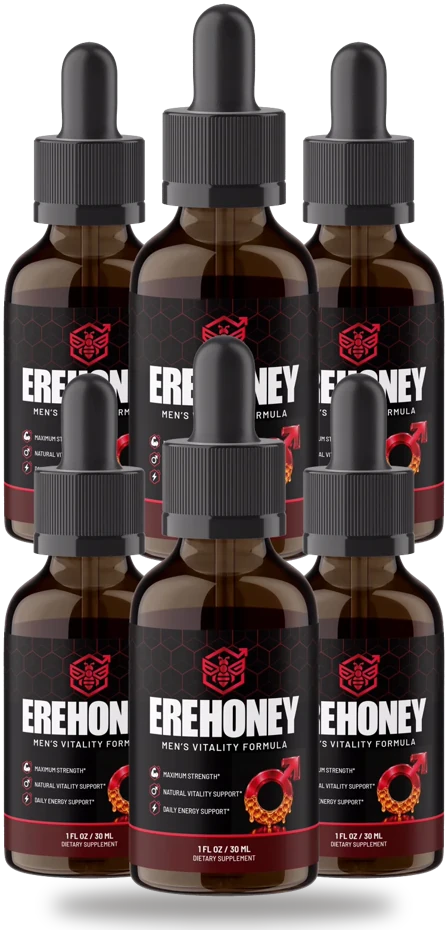
Horny Goat Weed in EreHoney
Horny Goat Weed is one of four named ingredients in EreHoney, a liquid dropper dietary supplement made for adult men 18 and over. The other three are Tongkat Ali, Maca Root and L-Arginine. The complete Supplement Facts panel is printed on the bottle, so you can read exactly how each one is listed.
EreHoney comes in a black glass dropper bottle with a red bee logo, and it is taken as directed on the bottle label, straight from the dropper or mixed into water.
Why the name sparks curiosity
The common name is memorable, and that is exactly why it gets searched so often. A memorable name tells you nothing about quality, though. What matters is whether the label states the plant clearly, the part used and the form, so you know precisely what you are reading about.
If a product only uses the catchy common name and never prints the botanical name, take that as a reason to look more closely. Good labels give you both, which makes it simple to cross-check the ingredient against neutral reference sources.
Gardens, markets and herbal shops
Outside supplements, Epimedium turns up in a few other places. Plant nurseries sell it as hardy shade-garden ground cover, prized for its tolerance of dry shade and its spring flowers. Traditional herbal shops in parts of Asia carry the dried leaf in bulk. Seeing the plant in these settings helps you remember that this is a real plant with real botanical roots, not just a line of text on a bottle.
Questions to ask before choosing a product
- Is the species or genus named, not only the nickname?
- Does the brand explain the extract form?
- Are all other ingredients listed in full on the panel?
- Is the seller clearly identified, with a readable return policy?
Answering these takes only a few minutes, and it leaves you with a decision you can feel good about.
Where to read more
For neutral, general background on botanical ingredients, the NIH Office of Dietary Supplements publishes fact sheets for everyday readers.
If you want to see current pack options for EreHoney, visit the official order page, where details are shown. It is a one-time purchase with a 60-day money-back guarantee, and it is sold only through the official website.